

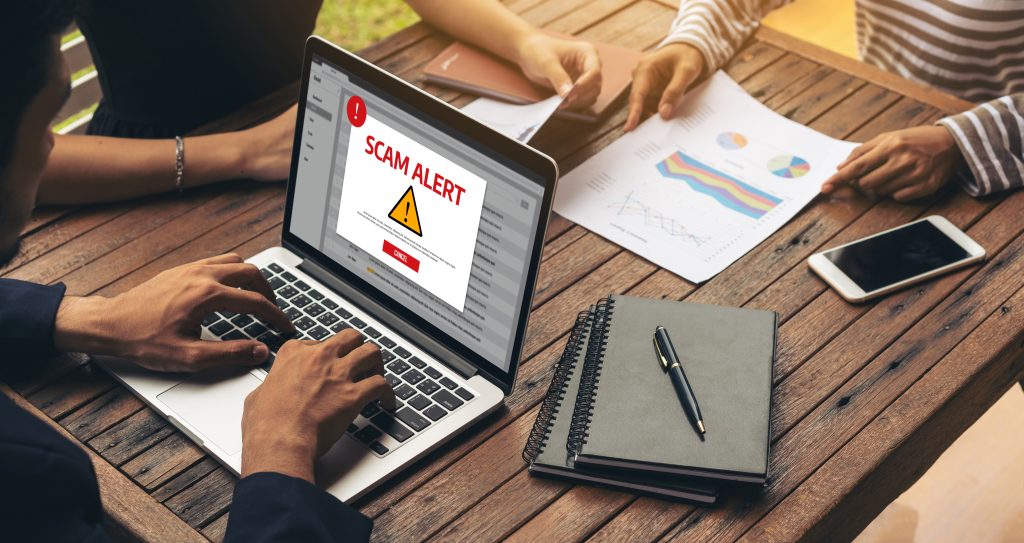
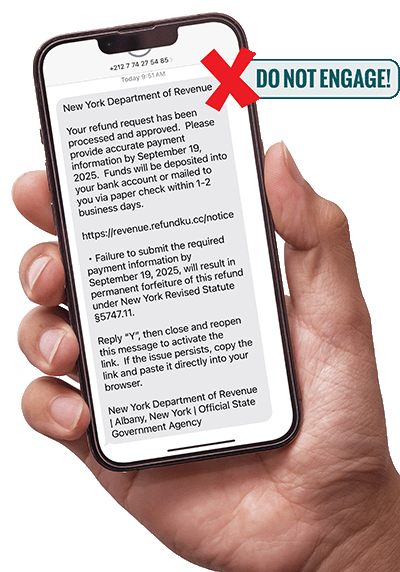
We want to alert you to a current scam targeting taxpayers. Scammers are sending fraudulent text messages that appear to come from state revenue departments or the IRS. These messages often claim you are owed an income tax refund and ask you to provide personal or banking details so the “refund” can be deposited. This is known as a phishing attempt, and when it occurs through text message it is often called smishing. Phishing and smishing are deceptive practices used by fraudsters to trick people into giving away sensitive information by pretending to be a legitimate organization. These messages typically rely on urgent or threatening language, such as warnings that your refund will be delayed or demands that you act immediately, to pressure you into responding.
Unfortunately, this type of scam is not uncommon. In its FY 2024 Annual Report, IRS Criminal Investigation reported uncovering more than $9.1 billion in fraud from tax and financial crimes. Nearly two million tax returns were flagged that year for identity theft or fraud, representing about $16.5 billion in potentially fraudulent filings. The IRS has also highlighted phishing and smishing as ongoing, top-level threats in its annual “Dirty Dozen” list of common tax scams. These figures demonstrate just how widespread tax-related fraud has become and why it is so important for taxpayers to remain vigilant.
What to Watch For
-
Messages claiming to be from the “Tax Department” or “Revenue Service.”
-
Requests for bank account details, login credentials, or other personal data.
-
Urgent or threatening language pressuring you to respond quickly.
What To Do If You Receive One
-
Do not click on any links or provide any information.
-
Block the sender immediately.
-
Delete the message.
-
Report the scam to the proper authorities (see links below).
Remember: The IRS and state tax departments will never contact you by text message, email, or social media to request personal financial information.
Report a Scam
- Report to New York State Tax Department
- Report to IRS
- Report to Federal Trade Commission (FTC)
- If you receive an email with attachments attempting to be from the IRS or IRS Online
- Forward the email to phishing@irs.gov or notify your work’s IT staff (if using a work device).
Stay alert and protect your information. If you ever receive a suspicious message, it’s always better to verify with official channels before taking action.
Resources
2024 IRS Agency Financial Report
Prior Year Information on IRS “Dirty Dozen”
Stay Secure and upload secure documents through your Client Portal
Interested in our services? Contact Us or Learn More!